7 July 2026
The New Zealand Chambers of Commerce and Industry (NZCCI) represents regional chambers and their business members across New Zealand. This submission responds to MBIE’s public consultation on the employment dispute resolution system, open from 5 May to 31 July 2026.
This submission draws on feedback gathered from Chamber members across multiple regions, including business owners, HR professionals, and employment lawyers with direct experience of the dispute resolution system. It also draws on the experience of those who have drafted and reviewed submissions on behalf of regional chambers.

Submission on Taxation and the not-for-profit sector
18 December 2026
NZCCI opposes the proposals in Chapter 3 of the targeted consultation document Taxation and the Not-for-Profit Sector (14 November 2025), which would:
• introduce a statutory definition of membership subscriptions that narrows the scope of non-taxable revenue
• require organisations to apportion subscriptions into taxable and non-taxable components
• expand the range of member transactions deemed taxable
• increase filing obligations for thousands of community entities
• introduce a $10,000 “cliff-face” tax-free threshold that will create distortions and compliance burdens
Submission on the Planning Bill and the Natural Environment Bill
13 February 2026
We support the direction of the Bills. The proposed system addresses persistent issues with the Resource Management Act (RMA), including excessive complexity, inconsistent local rules, lengthy consent processes, and a lack of national coherence. A planning system based on clear goals, strong national direction, standardised plans, and proportionate assessment is essential for reducing regulatory barriers and supporting growth.
This is particularly significant for New Zealand’s regions, where planning delays have constrained the availability of industrial land, slowed infrastructure delivery, and contributed to housing shortages that in turn limit workforce availability. Businesses across the country have stressed the need for a system that is easier to navigate and more consistent in its expectations.
Submission on the Crimes Act Amendment Bill 2025
16 February 2026
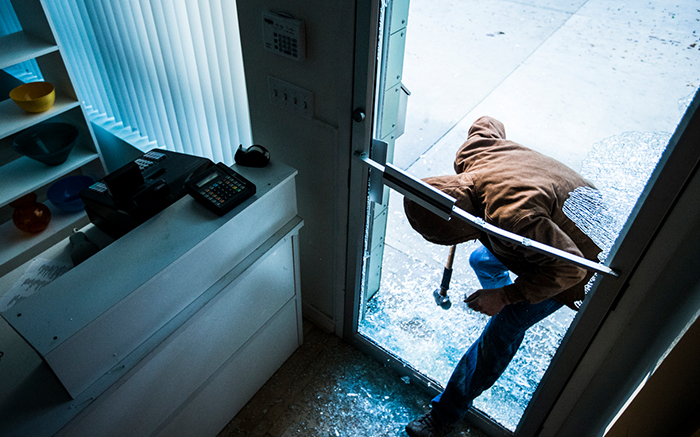
Shoplifting has increased significantly since 2019 and is now estimated to cost the retail sector between $1.4 and $2.6 billion each year. Those costs are not borne by offenders, but by customers, business owners, workers, and communities.
Our members report that retail crime today is very different from opportunistic petty theft of the past. Increasingly, it involves organised, repeat offending carried out with a high degree of coordination. These offenders understand the current law, and they exploit it.